
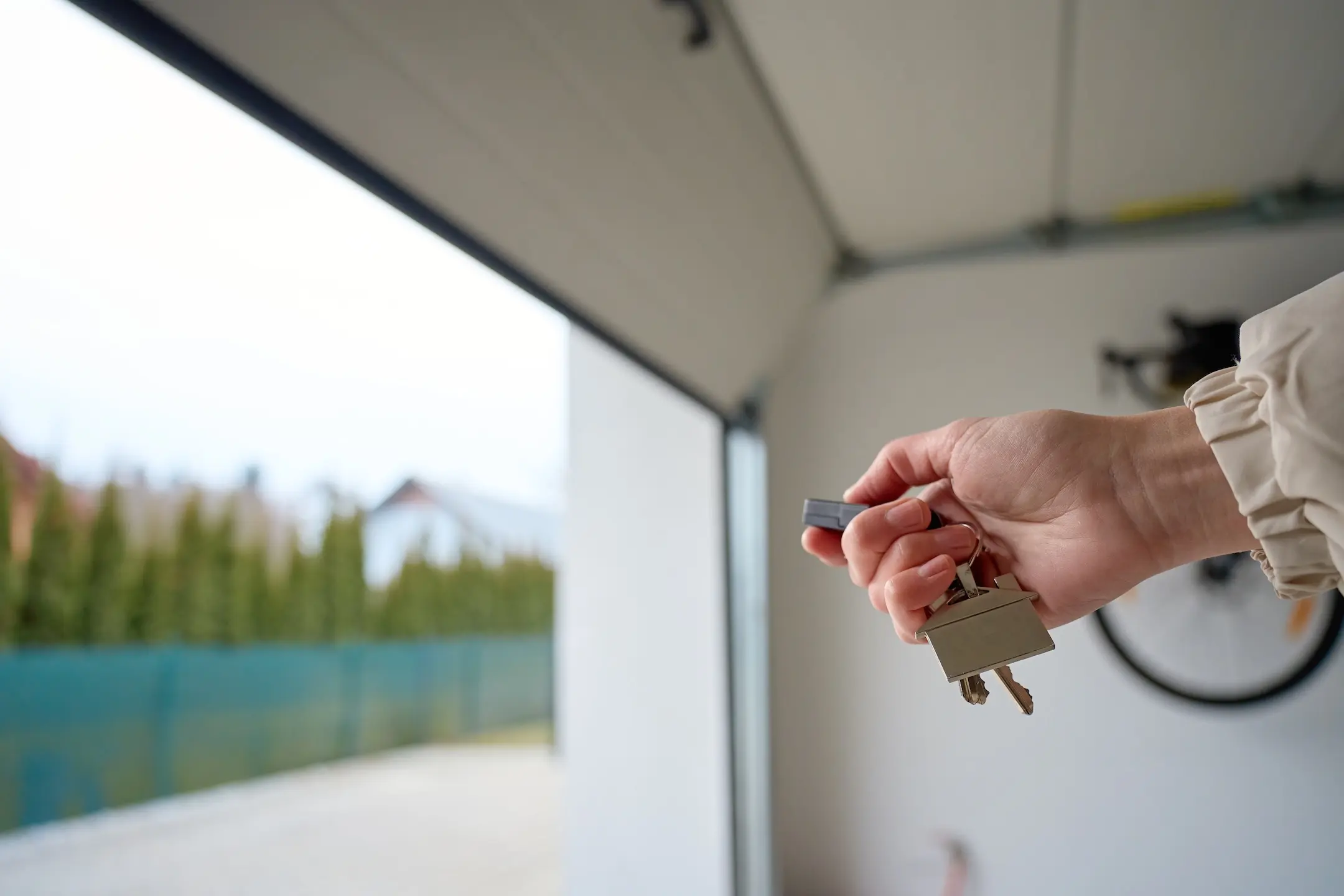
A garage door lock is one of the most affordable and effective upgrades you can make to protect your home, since the garage is a common and often overlooked entry point for intruders. Whether you have a manual door on a detached garage or an automatic opener on an attached one, the right lock, or combination of locks, adds a critical physical barrier that a motor and remote alone do not provide. This guide breaks down the six main types of garage door locks, how each one works, and the smart steps you can take to secure your garage from top to bottom.
- The six lock types: You will learn how each garage door lock works and where it fits best.
- Choosing the right lock: You will understand how to match a lock to your door and garage setup.
- Layered security: You will know the extra steps that make your garage genuinely hard to break into.
Why a Garage Door Lock Matters
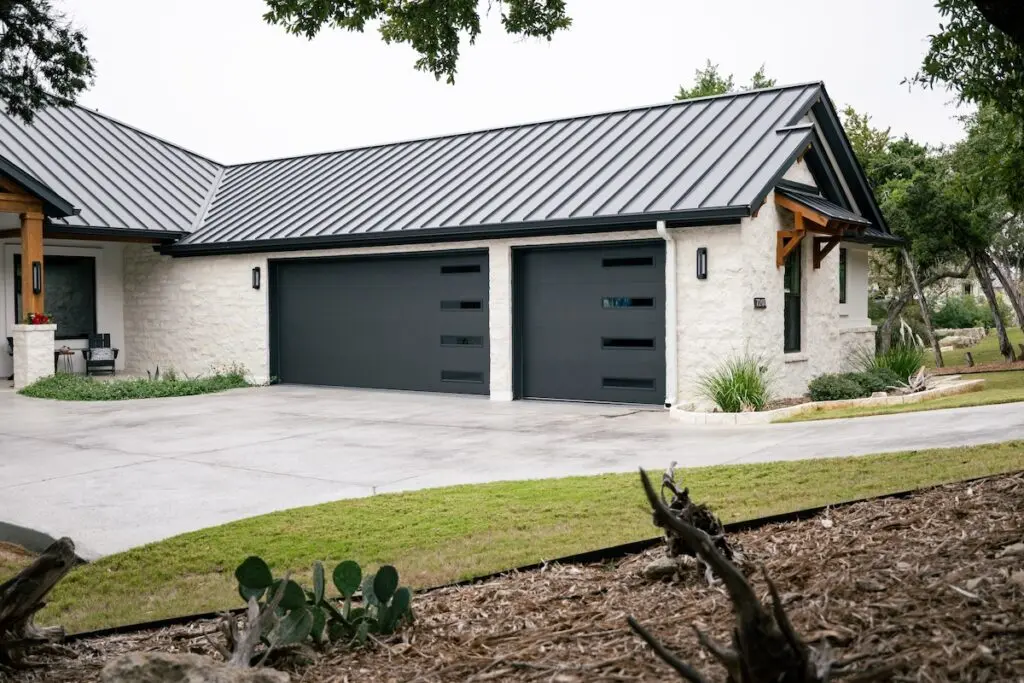
A garage door lock matters because the garage is a frequent target for burglars and, on an attached home, a direct path inside. Understanding the risk makes the case for taking garage security seriously.
The Garage as a Security Weak Point
The garage is one of the most vulnerable entry points in a home, because many homeowners rely on the opener alone and leave the door otherwise unsecured. An attached garage is especially critical, since breaching it often means direct access to your living space, tools that can be used to break in further, and any valuables stored inside. Physical security matters more than many people realize, because according to the home-security experts at SafeWise, damaging, removing, or destroying a door is the most common type of entry used in burglaries. A dedicated garage door lock reinforces an opening that thieves actively look for.
- Overlooked entry: Many homeowners secure the garage with the opener alone.
- Attached-garage risk: A breach here can lead straight into your home.
- Common target: Residential burglaries make garage security a smart investment.
When the Opener Is Not Enough
Relying on the automatic opener alone leaves gaps that a dedicated lock closes, especially during power outages, travel, or against determined intruders. When the power is out, the door can sometimes be forced open unless a physical lock holds it in place, and older openers without rolling-code technology can be vulnerable to code-grabbing. A manual lock also protects a door left disconnected via the emergency release, which is not secured until you engage a physical lock. Adding a lock ensures your door stays shut whether the opener is powered, unplugged, or targeted.
- Power outages: A physical lock keeps the door shut when the opener is off.
- Emergency release: A disconnected door is not secure until manually locked.
- Code protection: Locks back up openers that lack rolling-code security.
6 Types of Garage Door Locks
Garage door locks range from simple manual bolts to integrated smart systems, and the best choice depends on your door, your garage, and how much security you want. Below are the six main types, how each works, and where it fits best.
1. T-Handle Locks
A T-handle lock is a classic, key-operated lock mounted on the outside face of the door, common on older and manually operated garage doors. Turning the T-shaped handle with a key engages internal lock rods that slide into the tracks on both sides, physically preventing the door from being lifted. Durable, weather-resistant, and hard to pick, it is one of the most common garage door lock styles in the country and a natural fit for detached garages you enter through the main door. Because it locks from the outside with a key, it works well where you need exterior access without an opener.
- Key operated: A keyed T-shaped handle engages lock rods into both tracks.
- Best for: Older, manual, or detached garage doors.
- Durable: Weather-resistant and difficult to pick.
2. Slide Bolt Locks
A slide bolt lock, also called a side lock or latch lock, is a simple metal bar that slides into a hole or bracket on the door track to physically block the door from opening. Mounted on the inside of the door, it is inexpensive, reliable, and effective, and many versions can be padlocked for extra security. Slide bolts are a strong choice for securing a door from the inside, especially on manually operated doors or as a backup to an opener. Because it engages the track directly, it makes the door nearly impossible to force upward when locked.
- Track bolt: A metal bar slides into the track to block the door.
- Best for: Interior security on manual doors or as an opener backup.
- Padlockable: Many versions accept a padlock for added strength.
3. Deadbolt Locks
A garage door deadbolt works much like the deadbolt on a front door, extending a solid metal bolt into the frame or track for strong resistance against forced entry. Installed on the door panel, it offers a more tamper-resistant seal than a simple slide bolt and can secure the door from both inside and outside depending on the model. Deadbolts are valued for their strength and are often paired with a T-handle for double protection. For the best hold, the lock should align with the door’s reinforcement bar so the panel does not flex under pressure.
- Strong bolt: A solid metal bolt extends into the frame or track.
- Best for: Homeowners wanting front-door-level strength on the garage.
- Pairs well: Often combined with a T-handle for double protection.
4. Automatic Opener Locks
An automatic opener lock is a built-in feature on many modern openers that engages a bolt or bar into the track every time the door fully closes. Systems like LiftMaster’s automatic lock integrate directly with the opener to throw a deadbolt on each closing, then release it when you open the door, with no manual step required. This is the most convenient option for smart garage setups, since security happens automatically and there is nothing to forget. The main limitation is that it only works with compatible, typically newer, opener models.
- Auto-engaging: A bolt locks the door into the track on every closing.
- Best for: Modern smart openers and homeowners who want automatic security.
- Limitation: Requires a compatible, usually newer, opener.
5. Smart Locks
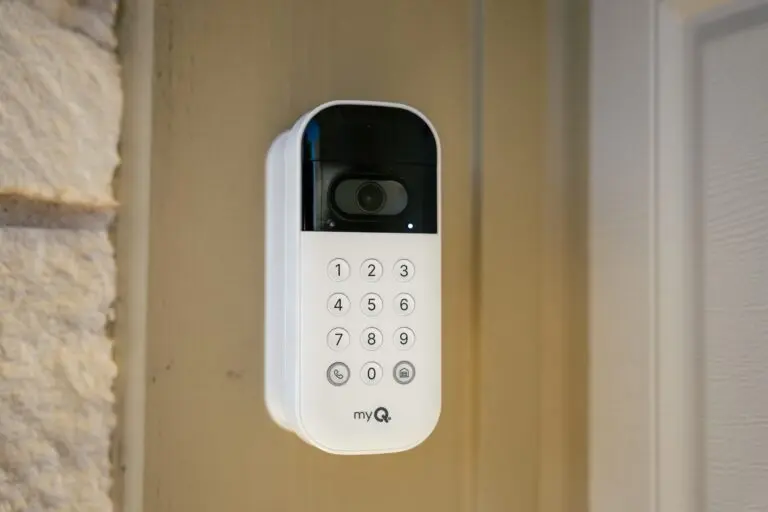
A smart garage door lock adds app-based control, monitoring, and alerts to your garage security, often integrating with the opener and your smart home system. These systems let you lock, unlock, and check the door’s status from your phone, receive alerts if the door is left open, and grant temporary access to others remotely. Brands like LiftMaster, Chamberlain, and Genie offer smart locking and monitoring features that combine convenience with real security. Smart locks are ideal for tech-forward homeowners who want visibility and control whether they are home or away.
- App control: Lock, unlock, and monitor the door from your phone.
- Best for: Tech-forward homeowners wanting remote visibility.
- Alerts: Notifies you if the door is left open and allows remote closing.
6. Garage Door Defenders
A garage door defender is a heavy-duty external lock with a base plate anchored to the ground directly in front of the door, blocking it from being opened. The steel unit uses a T-bar and bolt that physically prevent the door from swinging or sliding upward, and it sits flush against the bottom panel’s curve for a tight hold. Made of solid steel, defenders are extremely difficult to pry or damage, making them a strong visual and physical deterrent. They are especially useful for up-and-over and detached garage doors that need maximum protection during extended absences.
- Ground anchored: A steel base plate and T-bar block the door from opening.
- Best for: Up-and-over and detached doors needing maximum security.
- Tough deterrent: Solid steel construction resists prying and cutting.
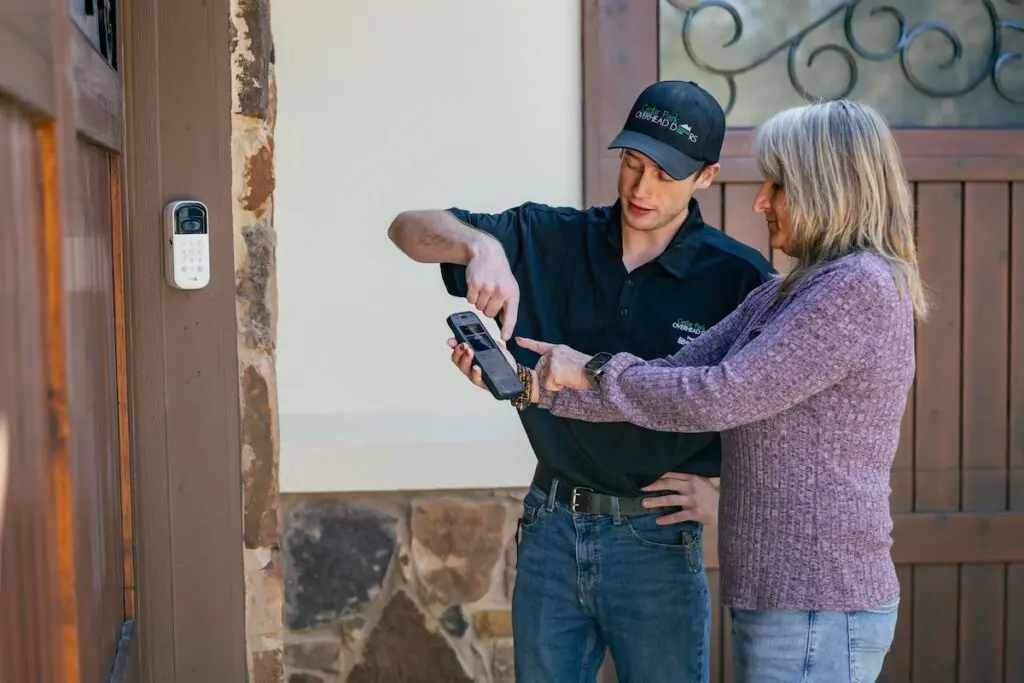
How To Secure Your Garage Beyond the Lock
A lock is the foundation, but layering it with other measures makes your garage genuinely hard to breach. These steps work alongside your chosen lock for complete protection.
Layering Multiple Security Measures
Layered security is the smartest approach, since combining a manual lock with an opener and other deterrents makes it as hard as possible for an intruder to succeed. Popular combinations include a slide bolt plus a smart opener lock, a T-handle paired with a deadbolt, or a lock bar backed up by a padlock. Beyond locks, upgrading to an opener with rolling-code technology defeats code-grabbing, while motion-sensor lights and security cameras deter would-be intruders before they try. The goal is to present multiple obstacles so your garage is not the easy target on the block.
- Combine locks: Pair a manual lock with the opener for two barriers.
- Rolling code: Upgrade older openers to defeat signal grabbing.
- Add deterrents: Motion lights and cameras discourage intruders.
Matching the Lock to Your Garage Type
Choosing the right lock depends on whether your garage is attached or detached and whether the door is manual or automatic. For an attached garage, which connects to your living space, prioritize stronger options like a deadbolt or a smart or automatic opener lock. For a detached garage, a T-handle or slide bolt provides reliable protection, especially for a standalone building without an opener. Manual doors pair naturally with T-handles and slide bolts, while automatic doors do best with slide bolts that do not interfere with the opener or with built-in automatic locking systems.
- Attached garage: Favor deadbolts or automatic and smart locks.
- Detached garage: T-handles and slide bolts are reliable choices.
- Match the door: Manual doors suit T-handles; automatic doors suit built-in locks.
Frequently Asked Questions
What Is the Best Type of Garage Door Lock?
The best lock depends on your needs. For manual or detached doors, T-handle and slide bolt locks are extremely reliable, while attached garages benefit from deadbolts or automatic opener locks. Smart locks are ideal if you want remote monitoring and control. Many homeowners layer two types for stronger protection.
How Do I Stop Someone From Opening My Garage Door?
Use a manual slide lock or an interior lock bar to physically block the door from being lifted, and upgrade your opener to one with rolling-code technology to prevent code grabbing. Adding motion-sensor lights and security cameras deters intruders further. Layering these measures makes your garage a much harder target.
Can I Add a Lock to an Automatic Garage Door?
Yes, you can add a manual lock like a slide bolt to an automatic door, but choose one that does not interfere with the opener’s operation, and disengage the opener when the manual lock is engaged. Many modern openers also offer built-in automatic locks. A professional can recommend the safest option for your setup.
Are Garage Door Locks Easy To Install?
Many garage door locks, including slide bolts and T-handle locks, are manageable do-it-yourself installations requiring a drill, basic hardware, and a level. Always disconnect the opener before installing a manual lock so the two do not conflict. More complex or integrated smart and automatic locks may be best installed by a professional.
Do I Need a Lock if I Have an Automatic Opener?
Yes, an automatic opener alone is not a complete security solution. During power outages the door can sometimes be forced, older openers can be vulnerable to code grabbing, and a door disconnected by the emergency release is not secured until manually locked. A physical or automatic lock closes these gaps.
What Lock Is Best for a Detached Garage?
For a detached garage, a keyed T-handle lock is a top choice because it locks from the outside without needing an opener, and a slide bolt adds interior security. A garage door defender offers maximum protection for extended absences. The right combination depends on how you access and use the building.
Trust Cedar Park Overhead Doors To Secure Your Garage
When you want your garage door locked down with the right hardware installed correctly, Cedar Park Overhead Doors is the local team homeowners trust to get it done. Our trained technicians can recommend and install the best combination of slide bolts, T-handles, deadbolts, and automatic or smart opener locks for your specific door and garage, and upgrade older openers to secure rolling-code and MyQ smart systems. As a Clopay Master Authorized Dealer, we service doors and openers from Raynor, Martin, Haas, Amarr, and Wayne Dalton across belt drive, chain drive, and jack-shaft configurations, all backed by solid warranties and flexible financing. Because a compromised door is a security emergency, we also offer 24/7 emergency garage door repair. If you are ready to make your garage genuinely secure, reach out to Cedar Park Overhead Doors today for a free, no-obligation quote.