Garage door roller replacement is one of the most effective ways to restore the quiet, smooth operation your door had when it was new, since worn rollers are a leading cause of noisy, jerky, and unreliable doors. The rollers are the small wheels that guide your door along its tracks on every cycle, and when they wear out they grind, stick, and put extra strain on the opener, springs, and tracks. This guide covers the four clear signs your rollers are worn out, what replacement costs, and why this is often a job best left to a professional.
- The warning signs: You will learn the four signals that tell you your rollers are worn and need replacing.
- Cost and lifespan: You will see real 2027 pricing and how long different roller types last.
- Repair guidance: You will understand which roller work is safe to do and when to call a pro.
What Garage Door Rollers Do and Why They Wear Out
Garage door rollers are the wheels that let your door travel smoothly along its tracks, and they take constant wear on every cycle. Understanding their role explains why worn rollers cause so many problems.
The Role of Garage Door Rollers
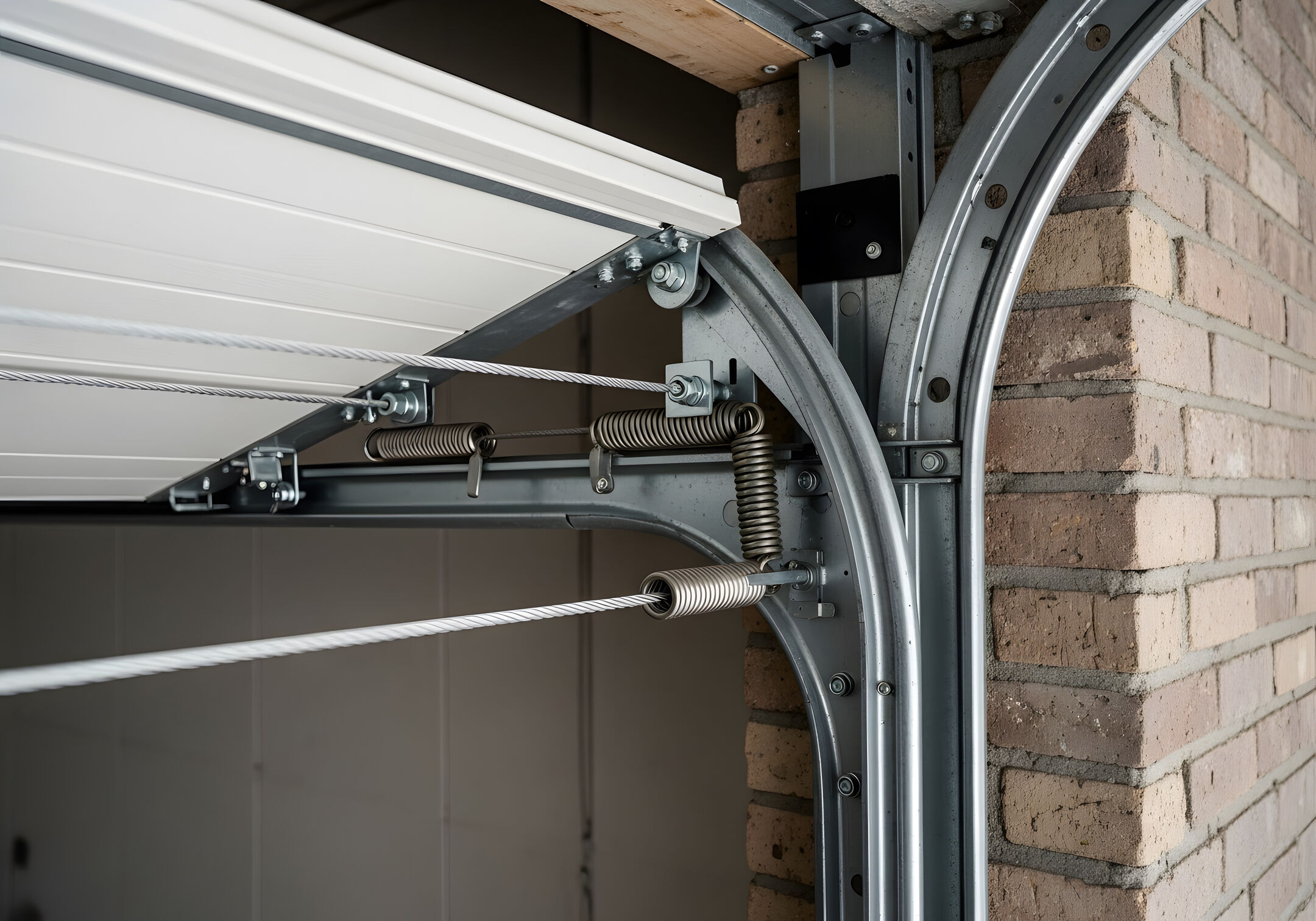
Garage door rollers are small wheels, mounted on stems that fit into the hinges, that ride inside the tracks to guide the door as it opens and closes. A standard residential door has 10 to 12 rollers, and they work on every cycle to keep the door moving straight, smooth, and balanced on both sides. Rollers come in plastic, steel, and nylon, with sealed-bearing nylon generally running the quietest and lasting the longest. Because they carry the door’s movement thousands of times a year, rollers are among the hardest-working small parts on the system and a common source of noise and binding when they wear.
- Guide the door: Rollers ride in the tracks to keep the door moving straight.
- Work every cycle: A standard door’s 10 to 12 rollers take constant wear.
- Material matters: Sealed-bearing nylon runs quietest and lasts longest.
Why Rollers Wear Out Over Time
Garage door rollers wear out because they endure thousands of open-and-close cycles, friction, and the strain of carrying the door’s movement year after year. Over time, bearings loosen and deteriorate, nylon cracks, and steel rollers wear flat spots or rust, all of which create friction and noise. Lack of lubrication accelerates the process, while frequent daily use can wear rollers out well before their expected lifespan. The roller material makes a big difference: plastic and basic steel rollers often last only a few years, while quality sealed-bearing nylon can last well over a decade.
- Constant cycling: Thousands of cycles gradually wear the bearings and wheels.
- Dry operation: Missing lubrication speeds up friction and wear.
- Material and use: Cheap rollers and heavy use shorten lifespan significantly.
4 Signs Your Garage Door Rollers Are Worn Out
Catching worn rollers early prevents a minor fix from turning into a derailed door or a strained opener. Watch for these four signs, and if you notice any of them, it is time to have your rollers inspected and replaced.
1. Loud Grinding, Squeaking, or Rattling Noises
Unusual noise is the most common and recognizable sign of worn garage door rollers. Grinding often means metal-on-metal contact from deteriorated steel rollers or failed bearings, while squeaking usually comes from dry or cracked nylon rollers, and rattling can signal a loose connection between a roller’s stem and wheel. If the noise persists even after you lubricate the rollers, the bearings are likely worn beyond what lubrication can fix. A door that has suddenly become loud is often telling you the rollers have reached the end of their life.
- Grinding: Points to metal-on-metal contact from worn steel rollers or bearings.
- Squeaking: Comes from dry or cracked nylon rollers.
- Noise after lubrication: Sound that persists means the bearings are worn out.
2. Jerky, Sticking, or Hesitant Movement
A door that moves in a jerky, sticking, or hesitant way instead of gliding smoothly is a strong sign the rollers are worn or binding. When rollers no longer spin freely, the door drags along the tracks, pauses, or lurches as it travels, and the opener has to strain against the added friction. You may notice the door slowing down, catching at certain points, or moving unevenly from one side to the other. This rough operation not only signals worn rollers but also accelerates wear on the opener and other hardware.
- Dragging or catching: Worn rollers cause the door to stick or pause mid-travel.
- Opener strain: The motor works harder against the added friction.
- Uneven motion: The door may move choppily or lag on one side.
3. Visible Wear, Cracks, or Damage on the Rollers
Visible damage to the rollers themselves is a clear, direct sign that replacement is due. When you inspect the rollers along the tracks, look for cracked or chipped nylon wheels, flat spots or rust on steel rollers, bent stems, and wheels that wobble or no longer spin freely by hand. Loose or deteriorated bearings often show as play between the wheel and its stem. If the rollers look worn, cracked, or damaged across multiple positions on the door, they have passed their lifespan and should be replaced promptly before they fail entirely.
- Cracks and chips: Damaged nylon wheels can no longer roll smoothly.
- Flat spots and rust: Worn or corroded steel rollers create friction.
- Wobble or play: A loose, wobbling wheel signals failed bearings.
4. The Door Vibrates or Comes Off the Track

Excessive vibration or a door that slips off its track is a serious sign of worn rollers that demands prompt attention. As rollers deteriorate, they stop holding the door securely in the tracks, which causes shaking during operation and, in severe cases, lets the door jump or derail. A door that has come off the track is both a major inconvenience and a safety hazard, since it can become stuck, crooked, or fall. If your door is vibrating heavily or has derailed, stop using it and have the rollers and tracks inspected by a professional right away.
- Heavy vibration: Worn rollers no longer hold the door steady in the tracks.
- Door derailment: Severely worn rollers can let the door jump off the track.
- Safety hazard: A derailed door can jam, hang crooked, or fall.
What Garage Door Roller Replacement Costs
Garage door roller replacement is one of the most affordable repairs for your door, and knowing the cost and lifespan helps you budget and decide when to act. Here is what to expect.
The Price and How Long Rollers Last
Garage door roller replacement is an inexpensive repair that restores smooth, quiet operation, and the material you choose affects both the price and how long the new rollers will last. The national average cost for a garage door roller replacement is $200, with most homeowners paying between $150 and $250 for a complete parts-and-labor job, according to Angi. Rollers generally last 10 to 20 years when properly maintained, though frequent daily use can wear them out in just six to 10 years, and cleaning and lubricating them at least once a year extends their life. Upgrading to sealed-bearing nylon rollers costs a bit more upfront but delivers the quietest operation and the longest lifespan.
- Average cost: A full roller replacement runs about $150 to $250 installed.
- Lifespan: Rollers last 10 to 20 years, or 6 to 10 with heavy use.
- Nylon upgrade: Sealed-bearing nylon costs more but lasts longest and runs quietest.
What Affects the Cost
Several factors determine where your roller replacement lands within the typical range. The roller material and quality matter most, with basic steel costing less than premium sealed-bearing nylon, and the number of rollers needed depends on your door’s size and weight. Labor rates vary by region, with most garage door companies charging $75 to $150 per hour, and a full replacement of all 10 to 12 rollers costs more than swapping a few on a single panel. Bundling roller replacement with a tune-up or other maintenance can also be a cost-effective way to keep the whole system in good shape.
- Material and quality: Premium nylon rollers cost more than basic steel.
- Number of rollers: A full set costs more than a partial, single-panel swap.
- Labor rates: Regional rates and job scope affect the final total.
Frequently Asked Questions

How Much Does Garage Door Roller Replacement Cost?
Garage door roller replacement costs an average of $200, with most homeowners paying between $150 and $250 for a full parts-and-labor job. The price depends on the roller material, the number of rollers, and local labor rates. Premium sealed-bearing nylon rollers cost more but last the longest.
How Long Do Garage Door Rollers Last?
Garage door rollers generally last 10 to 20 years when properly maintained, though frequent daily use can wear them out in six to 10 years. Plastic and basic steel rollers tend toward the shorter end, while quality sealed-bearing nylon lasts the longest. Cleaning and lubricating the rollers once a year extends their life.
Can I Replace Garage Door Rollers Myself?
Some accessible rollers can be swapped by an experienced do-it-yourselfer, but the job carries real risks. The bottom-bracket rollers are under cable tension, and the door is heavy, so incorrect work can cause injury or damage. Because of these hazards, professional replacement is the safer and more reliable choice.
Will New Rollers Make My Garage Door Quieter?
Yes, if the noise was caused by worn rollers, replacing them, especially with sealed-bearing nylon, will make the door noticeably quieter. Nylon rollers run significantly quieter than worn steel. If noise persists after replacement, another component like the opener or springs may need attention.
What Type of Garage Door Roller Lasts the Longest?
Nylon rollers with sealed ball bearings last the longest, often 12 to 20 years, and run the quietest of any roller type. Steel rollers typically last 10 to 15 years, while plastic and basic rollers may last only a few years. The nylon upgrade usually delivers the best long-term value.
Should I Replace All the Rollers at Once?
Replacing all the rollers at once is usually the best approach, since rollers of the same age tend to wear out around the same time. A full replacement ensures even, smooth operation and avoids repeat service calls as the remaining old rollers fail. Your technician can advise based on the condition of your current rollers.
Trust Cedar Park Overhead Doors for Your Garage Door Roller Replacement
When your garage door is grinding, sticking, vibrating, or showing worn rollers, Cedar Park Overhead Doors is the local team homeowners trust to restore quiet, smooth operation safely. Our trained technicians replace worn rollers with quality sealed-bearing nylon, handle the high-tension bottom-bracket work that should never be a do-it-yourself task, and inspect your springs, cables, and tracks for related wear while they are there. As a Clopay Master Authorized Dealer, we service doors and openers from Raynor, Martin, Haas, Amarr, and Wayne Dalton across belt drive, chain drive, jack-shaft, and MyQ smart configurations, all backed by solid warranties and flexible financing. Because worn rollers can quickly lead to a door off its track, we also offer 24/7 emergency garage door repair. If your door is noisy, rough, or showing signs of worn rollers, reach out to Cedar Park Overhead Doors today for a free, no-obligation quote on your garage door roller replacement.