Garage door trim is the molding that frames the opening along the jambs and header, sealing out weather and pests while giving your garage a finished, polished look. Though it is easy to overlook, the right trim does real work: it blocks drafts and moisture, deters insects, supports the door frame, and boosts curb appeal, so choosing the correct type and material matters more than most homeowners realize. This guide walks through seven types of garage door trim, the materials to weigh, and the installation tips that make the difference between trim that lasts and trim that fails.
- The seven types: You will learn the main trim profiles and styles and what each one does.
- Material choices: You will understand how PVC, wood, composite, and metal compare.
- Installation tips: You will know what makes a trim installation seal and last.
What Garage Door Trim Is and Why It Matters

Garage door trim, also called garage door molding or stop molding, is the set of boards and profiles that outline the garage opening and help seal the door. Understanding its role explains why the right trim is worth getting right.
The Jobs Garage Door Trim Does
Garage door trim does far more than frame the opening, serving as the barrier that seals your garage against drafts, water, dust, and pests. When the door closes, it presses against the stop molding to form the final seal that keeps out air and moisture, which protects both comfort and anything stored inside. The trim also provides structural support to the door frame and defines the clean, finished border your eye reads as the edge of the door. Because it seals the opening, trim has a direct effect on energy efficiency, especially on an attached garage that shares walls with living space.
- Seals the opening: Blocks drafts, water, dust, and pests at the door’s edges.
- Supports the frame: Reinforces and finishes the jambs and header.
- Boosts efficiency: A tight seal matters most on attached garages.
How Trim Affects Energy Efficiency
Garage door trim affects your energy bills because the seal it forms is part of your home’s overall envelope, and gaps around the opening let conditioned air escape. On an attached garage, worn or failing trim lets outside air pour in and conditioned air leak out, forcing your heating and cooling system to work harder. The payoff for sealing these gaps is real, since the EPA’s ENERGY STAR program estimates homeowners can save an average of 15% on heating and cooling costs by air sealing their homes and adding insulation, and it specifically lists sealing behind window and door trim among the fixes that help. Keeping your garage door trim tight and intact is a small step that supports that efficiency.
- Part of the envelope: Trim gaps let conditioned air escape the home.
- Eases HVAC load: A tight seal reduces strain on heating and cooling.
- Documented savings: Air sealing can cut heating and cooling costs meaningfully.
7 Types of Garage Door Trim
Garage door trim comes in several profiles and materials, each suited to different looks, climates, and needs. Below are seven types to know, from the functional stop molding to decorative casing and durable material options.
1. Stop Molding With Integrated Seal
Stop molding with an integrated seal is the most functionally important trim, since it is the piece the door closes against to form its weather seal. This profile has a rigid flange that nails to the jamb and header plus a soft, flexible fin that conforms to the door, blocking air, water, dust, and pests when the door is shut. It is the trim most responsible for your garage’s draft and moisture protection, and it is also the piece that most often fails as it dries out, cracks, and pulls away over time. Replacing worn stop molding is one of the highest-value trim upgrades a homeowner can make.
- The sealing piece: The door closes against it to form the weather seal.
- Rigid plus flexible: A nailing flange paired with a soft conforming fin.
- First to fail: Dries, cracks, and separates, so it needs periodic replacement.
2. Brickmould Casing
Brickmould casing is the classic, stepped trim profile that frames the garage opening with the same shadow lines found around many home windows and doors. Typically about two inches wide, it delivers a traditional, architectural look that ties the garage into the rest of the home’s exterior trim. Brickmould is the go-to choice for traditional and transitional homes where a defined, decorative border enhances curb appeal. Available in wood, PVC, and composite, it balances a timeless appearance with the option to choose a low-maintenance material.
- Classic profile: Stepped molding that matches typical window and door trim.
- Best for: Traditional and transitional homes wanting a defined border.
- Material options: Available in wood, PVC, and composite.
3. Flat Trim Boards
Flat trim boards offer a clean, simple, modern frame around the garage opening without the stepped detailing of brickmould. This straightforward profile suits contemporary and minimalist homes, and its flat face is easy to paint to match or contrast with the door and siding. Flat boards in PVC or primed wood are versatile and widely used, and they can be sized wider for a bolder, more substantial border. For homeowners who want an understated, architectural look, flat trim is a reliable choice.
- Clean and modern: A simple flat frame with no stepped detailing.
- Easy to paint: The flat face takes paint well for matching or contrast.
- Flexible sizing: Can be widened for a bolder border.
4. PVC and Vinyl Trim

PVC and vinyl trim has become the default material choice because it never rots, never needs paint, and installs with ordinary carpentry tools. Made from solid or cellular PVC, this trim holds its shape and sealing performance through repeated seasonal temperature swings without cracking, warping, or rotting like wood can. It is ideal for wet climates, areas near sprinklers, or anywhere snow piles against the frame, and it comes in many colors to match your door or existing trim. The low maintenance and long lifespan make it a smart long-term value despite a modestly higher upfront cost than wood.
- Rot-proof: Never rots or needs paint, holding shape through temperature swings.
- Best for: Wet climates, sprinkler zones, and low-maintenance priorities.
- Color options: Available in many colors to match the door or trim.
5. Composite Trim
Composite trim combines wood fibers with synthetic binders to offer a middle ground between natural wood and fully synthetic PVC. It resists moisture and rot far better than solid wood while keeping a more wood-like appearance and feel than vinyl, making it a popular compromise. Composite holds paint and finish well and stands up to the weather with less maintenance than wood, though it typically costs more than basic PVC. For homeowners who want wood’s look with improved durability, composite trim is an appealing option.
- Best of both: Wood-like look with better moisture and rot resistance.
- Durable finish: Holds paint and weathers with less upkeep than wood.
- Mid-range cost: Priced between basic PVC and premium wood.
6. Wood Trim
Wood trim delivers a classic, natural look and timeless craftsmanship that many homeowners prize for traditional and historic homes. Primed and painted wood offers a warm, authentic appearance and is budget-friendly and easy to repaint, which makes touch-ups and color changes simple. The trade-off is maintenance, since wood can rot, warp, and crack when exposed to moisture and must be kept sealed and painted to last. In dry climates, well-maintained wood performs fine, and some homeowners use a hybrid approach, rot-proof PVC at the bottom where moisture collects and wood up top.
- Classic look: Natural, authentic appearance for traditional homes.
- Budget-friendly: Lower upfront cost and easy to repaint.
- Needs upkeep: Must stay sealed and painted to resist rot and warping.
7. Metal-Wrapped Trim
Metal-wrapped trim covers the trim boards in aluminum or steel cladding for maximum durability and a crisp, low-maintenance finish. The metal wrap protects the underlying material from moisture and weather, eliminating the painting and sealing that wood requires and resisting the elements for years. This option is popular where durability is the top priority and for homeowners who want a clean, finished look that holds up with minimal attention. Because wrapping requires precise fabrication, it is typically a professional installation.
- Maximum durability: Aluminum or steel cladding resists moisture and weather.
- Low maintenance: Eliminates the painting and sealing wood needs.
- Pro install: Precise fabrication makes this a job for professionals.
Garage Door Trim Installation Tips
Installing garage door trim correctly is what determines whether it seals tightly and lasts for years. These tips cover the essentials for a durable, weatherproof result.
The Keys to a Lasting Installation
A lasting trim installation depends on accurate measurement, proper sealing, and allowing for the material’s movement. Start by measuring the jambs and header and dry-fitting pre-cut pieces before fastening anything, cutting clean, accurate angles where the pieces meet. Leave a small expansion gap, about an eighth of an inch, where trim meets other materials and fill it with a quality weatherproof caulk rather than butting the pieces tight, since this prevents buckling and seals the joint. Finish by caulking the gaps around the trim’s exterior so water and air cannot sneak behind it.
- Measure and dry-fit: Check dimensions and test-fit pieces before fastening.
- Allow for expansion: Leave a small gap and seal it with weatherproof caulk.
- Seal the exterior: Caulk around the trim so water cannot get behind it.
Common Installation Mistakes to Avoid
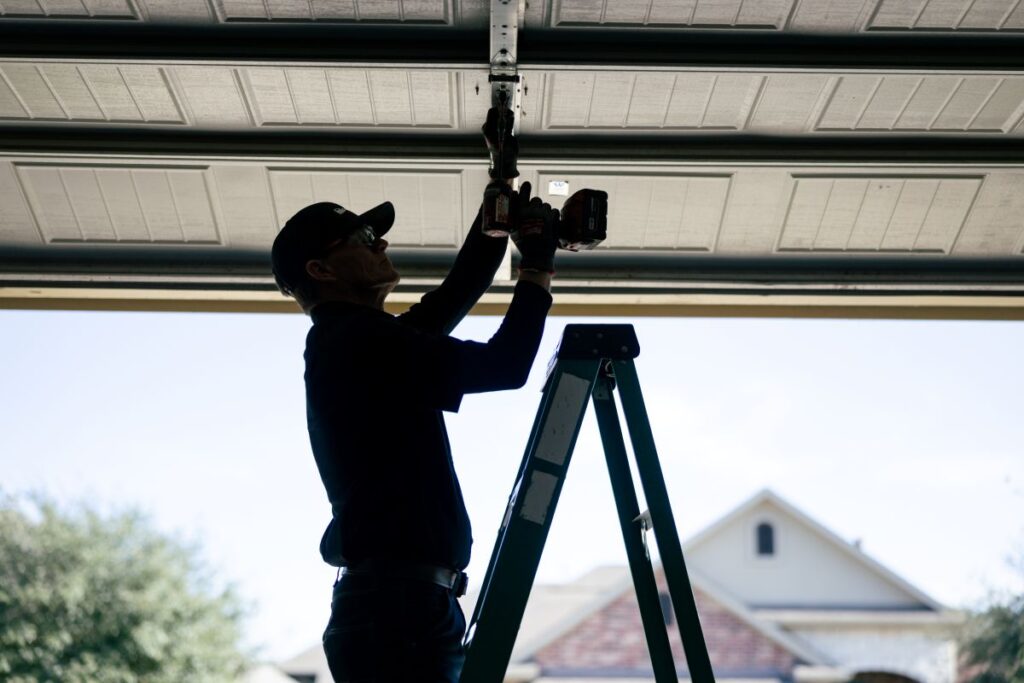
Avoiding a few common mistakes keeps your trim sealing and looking right for the long haul. Butting pieces tight with no expansion gap causes buckling as materials expand and contract, while skipping the caulk lets water and air bypass the trim entirely. Using the wrong material for your climate, such as untreated wood in a wet area, invites rot and early failure. Finally, trim that is cut too large or small or interferes with the door’s operation looks off and can hinder the door, which is why careful measurement and professional installation pay off.
- No expansion gap: Butting tight causes buckling as materials move.
- Skipping caulk: Unsealed trim lets water and air bypass it.
- Wrong material or fit: Poor material choice or sizing invites rot and problems.
Frequently Asked Questions
What Is the Trim Around a Garage Door Called?
The trim around a garage door is called garage door molding, stop molding, or garage door trim. The specific piece the door closes against to form a seal is the stop molding, while the decorative outer frame is often brickmould or flat casing. Together they seal and finish the opening.
What Is the Best Material for Garage Door Trim?
PVC and composite are the best materials for most homes because they resist rot and moisture and need little maintenance, making them ideal for wet climates. Wood offers a classic look at a lower upfront cost but requires regular sealing and painting. Metal-wrapped trim offers maximum durability with minimal upkeep.
How Much Does Garage Door Trim Cost?
Garage door trim costs vary by material and door size, but a weatherproof PVC trim kit for a standard door typically runs from around $100 to $350 in materials. Vinyl stop molding runs a few dollars per foot, while wider PVC or composite casing costs more. Professional installation adds labor to the total.
How Often Should Garage Door Trim Be Replaced?
Garage door trim, especially the stop molding with its seal, should be replaced when it cracks, warps, pulls away from the frame, or no longer seals when the door is closed. Wood trim may need attention every few years, while PVC and composite last much longer. Inspect it annually for drafts and visible damage.
Can I Install Garage Door Trim Myself?
Replacing basic stop molding or flat PVC trim is a manageable do-it-yourself task with ordinary carpentry tools, careful measurement, and weatherproof caulk. More involved work, like metal-wrapped trim or correcting a damaged frame, is best left to a professional. Proper sealing is essential regardless of who installs it.
Does Garage Door Trim Help With Energy Efficiency?
Yes, garage door trim, particularly the stop molding, seals the opening and reduces the drafts that drive up energy costs on an attached garage. Air sealing around doors is a recognized way to cut heating and cooling costs. Keeping the trim tight and intact supports your home’s overall energy efficiency.
Trust Cedar Park Overhead Doors for Your Garage Door Trim
When your garage door trim is cracked, rotted, or letting in drafts and water, Cedar Park Overhead Doors is the local team homeowners trust to seal and finish the opening right. Our trained technicians measure precisely, recommend the best trim material for the Central Texas climate, and install stop molding and casing that seals tightly and looks sharp for years. As a Clopay Master Authorized Dealer serving the greater Austin area, we handle everything from trim and weatherstripping to full door and opener service, all backed by solid warranties and flexible financing. Whether you need a simple trim replacement or a complete garage door refresh, we also offer 24/7 emergency garage door repair. If your trim is worn, drafty, or past its prime, reach out to Cedar Park Overhead Doors today for a free, no-obligation quote on your garage door trim.